The Property & Facilities
PROPERTY RULES & GUIDELINES
Hours & Parking
- Winter Hours: 10:00 AM – 4:00 PM.
- Parking: Please park by the Learning Center.
- Liability: Please enjoy the property at your own risk.
Winter Activities
- Skiing: Our winter pastures are perfect for snowshoeing and cross-country skiing.
- Sledding: Astronomy Hill offers fine sledding (parents must be present)
Restrictions
- Pets: Sorry, absolutely no dogs are allowed on the property.
- Drones: Please do not bring drones onto the property
Safety & Preservation
- Supervision: A parent must accompany children of all ages at all times.
- Trails: Please stay on the marked trails when walking through the woodlands.
- ⚠️ Electric Fences: Do not touch the electric fences! These wires, which protect our grazing cows and sheep, crisscross our pastures from April through November.
- Farm Animals: Please do not feed our animals; they are on strict, healthy diets.
THE LEARNING CENTER
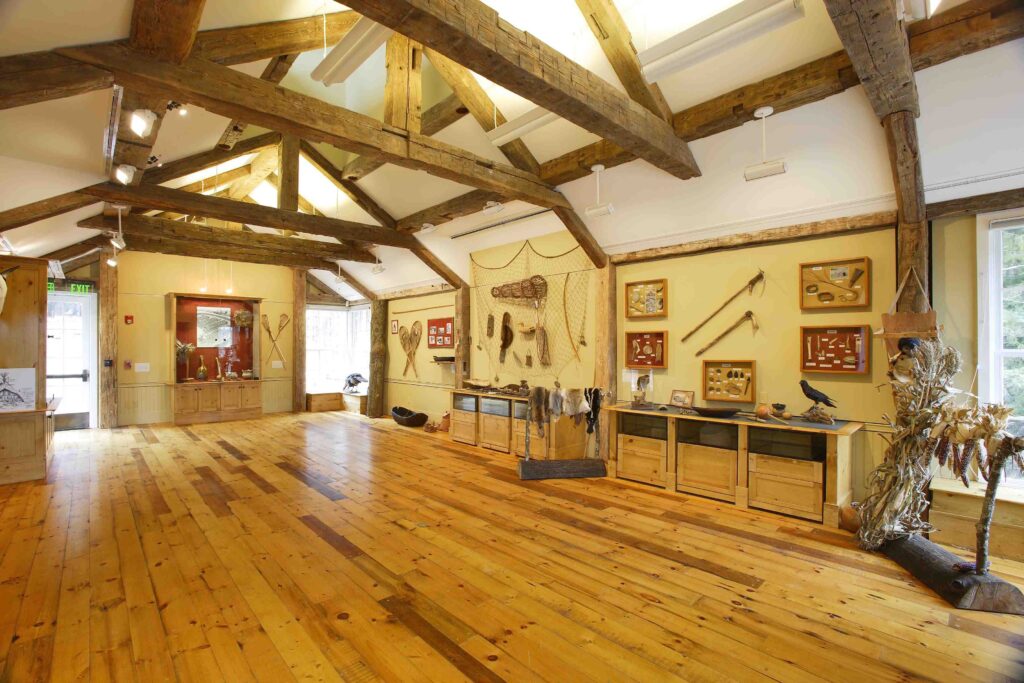
When you visit our Learning Center, you’ll find thoughtful details that connect history, craftsmanship, and the natural world.
The building features majestic hand-hewn beams from a 1700s dairy barn in Pennsylvania, crafted from trees that grew in the virgin forests of the 1600s. Reclaimed wood from a historic grain silo adds warmth to the floors and wainscoting throughout the space.
Upstairs, the barn-like Gathering Place offers soaring ceilings, antique wood, and expansive windows with views of surrounding woodlands and pastures. This space also houses our collection of authentic Native American artifacts, including ancient tools, pottery, and recreated decoys representing Eastern Woodland, Iroquois, and Plains tribes.
The Learning Center includes a welcoming Common Room with a fireplace and kitchen, classrooms, offices, a wildlife room, and outdoor spaces such as the wraparound porch overlooking our beautiful vista. With room for gatherings of up to 50 guests and a fully equipped commercial kitchen, the Learning Center is ideal for programs, meetings, and special events.
OUR GARDENS
Our founder, actress Carmen Mathews, was an avid gardener. When she wasn’t performing on Broadway, she dedicated her time to enhancing the natural beauty of New Pond Farm. Her passion for gardening inspired the extensive perennial beds that grace the property today.
New Pond Farm’s gardens showcase our commitment to native plants, pollinators, and the beauty of the landscape. Adjacent to the historic farmhouse, a vibrant pollinator garden surrounds visitors with blooms that attract bees and butterflies, while a sunken shade garden—bordered by stone walls, rhododendrons, and a small pond—creates an enchanting setting for special events.
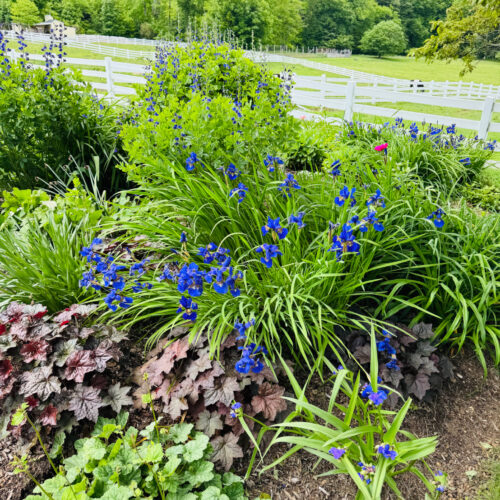
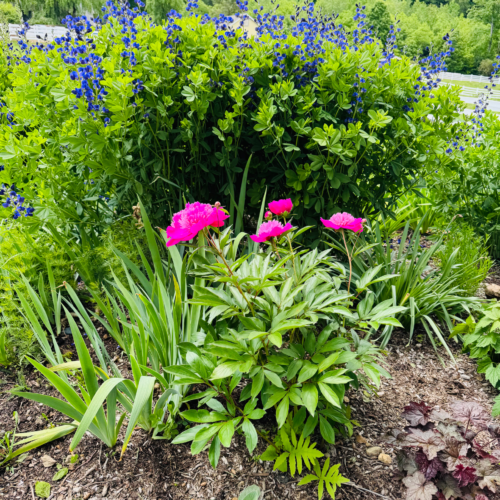
Near the Learning Center, our largest native pollinator garden features sweeping plantings of wildflowers, grasses, and shrubs that provide habitat and a peaceful place to explore. Young weeping cherry trees—descended from a century-old tree at the Learning Center—burst into pale pink blossoms each spring, attracting native and honey bees.
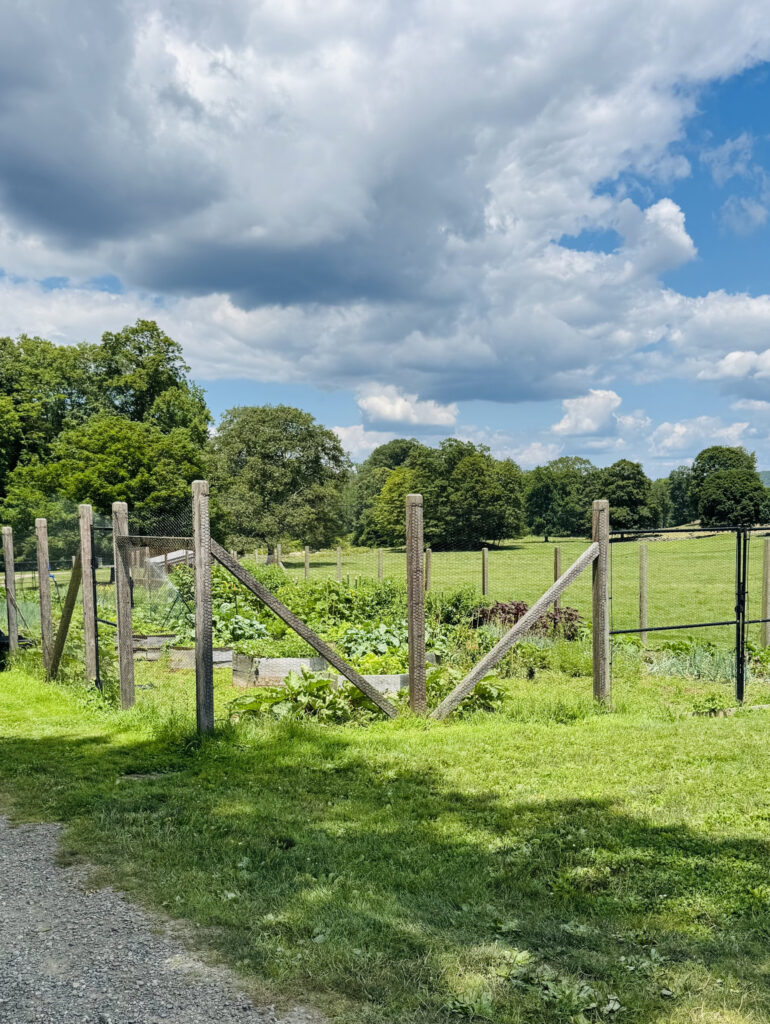
Along Farm Road, a seasonal vegetable garden yields fresh summer and fall harvests for students, staff, and our annual Harvest Dinners. Around the stream and pond, newly planted native gardens are part of our Wetland Renewal Project, stabilizing the landscape while providing essential habitat for pollinators and wildlife.
ASTRONOMICAL OBSERVATORY
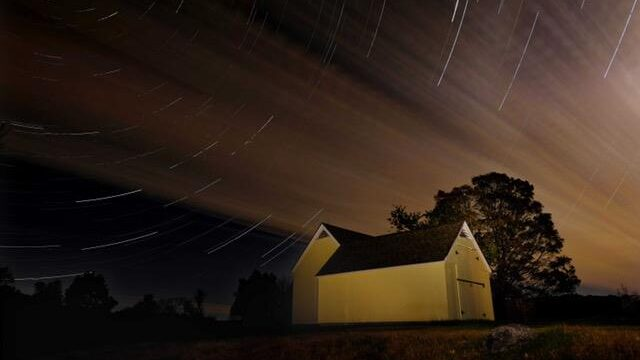
Perched atop a knoll in our back pastures, the yellow buildings of our astronomical observatory offer visitors expansive, nearly unobstructed 360-degree views of the night sky—the darkest you can find in Fairfield County. Our enthusiastic team of amateur astronomers hosts monthly programs, guiding visitors to observe constellations, the Moon, planets, nebulae, and other deep-sky objects through our telescopes.
The observatory features a roll-off building that keeps telescopes ready for use, a raised platform for comfortable viewing, and a small classroom for short presentations on the objects being observed. In winter, the classroom doubles as a cozy space to warm up with cups of farm-fresh hot chocolate.
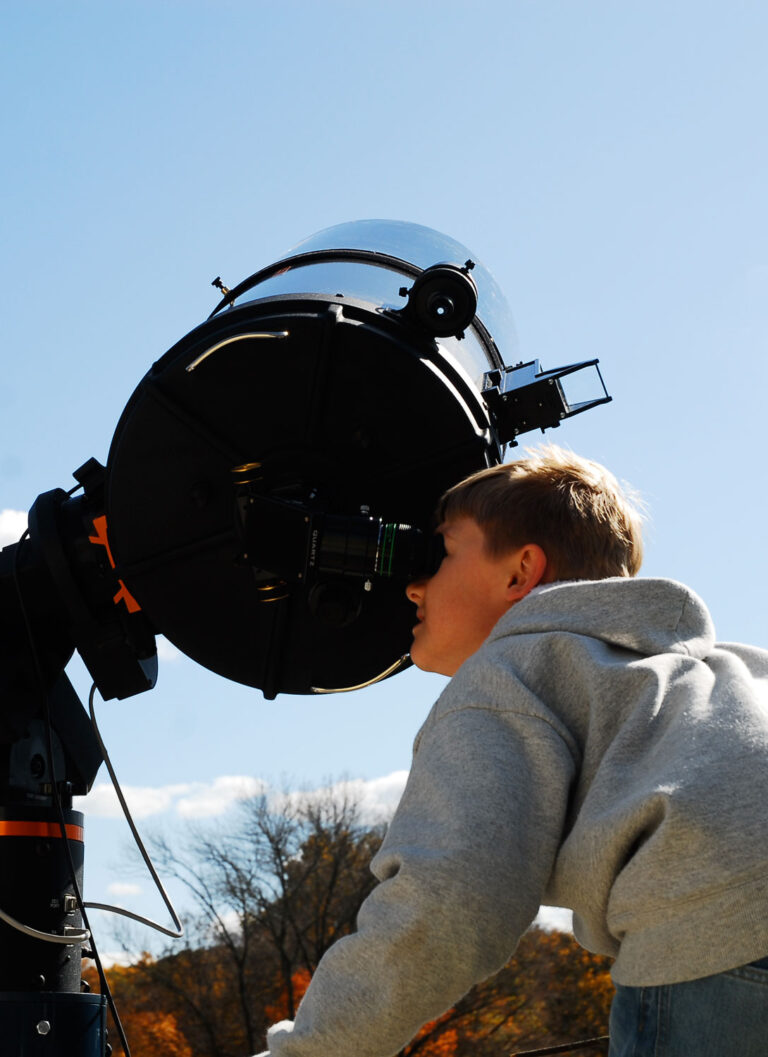
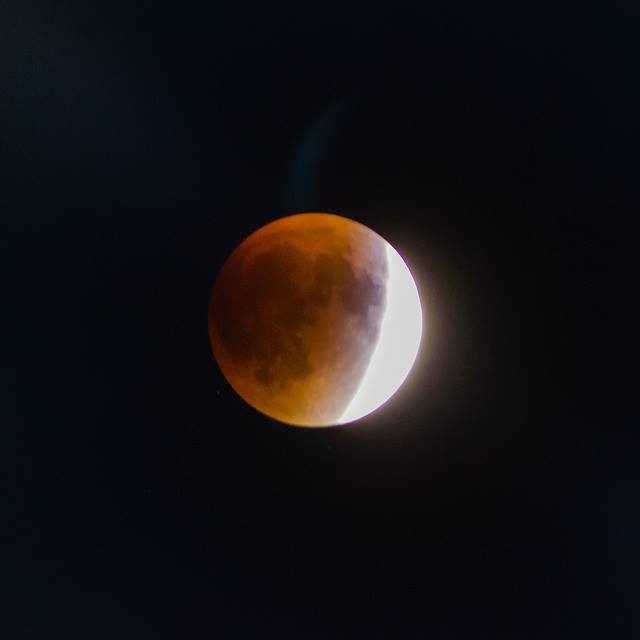
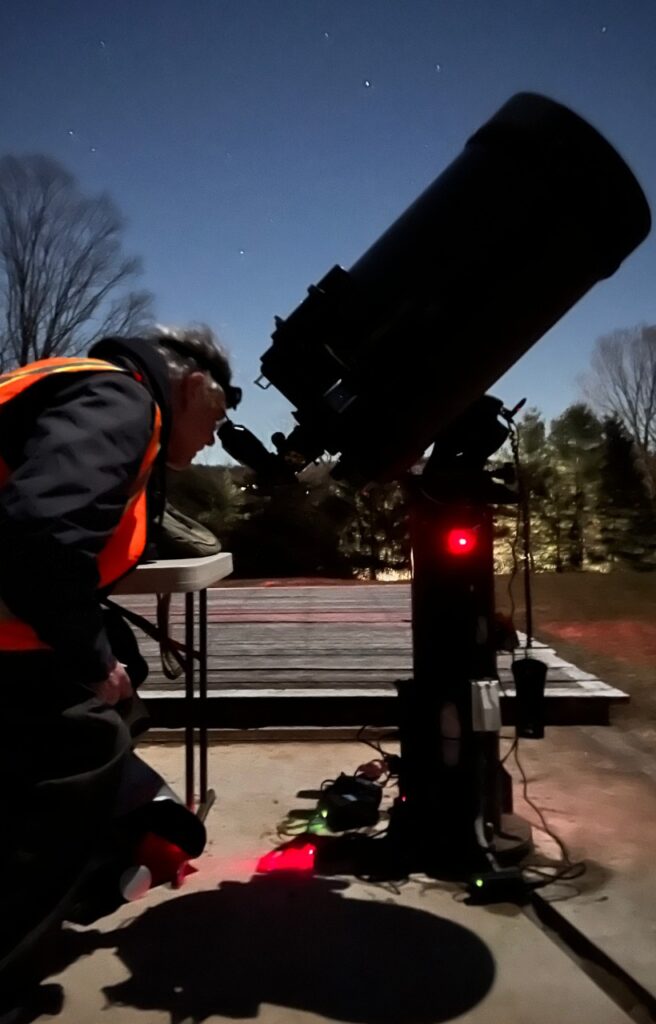
Our equipment includes 11-inch and 9.25-inch Celestron Edge HD SCT telescopes on go-to equatorial mounts, allowing observers to quickly hop between objects. The observatory also supports astrophotography, variable star observing, and supernova tracking, with opportunities for volunteers to mentor high school students in research projects.
Founded by Carmen Mathews for Western Connecticut State University students, the observatory now serves New Pond Farm members, the public, and students from local high school astronomy programs.
NATIVE AMERICAN ENCAMPMENT
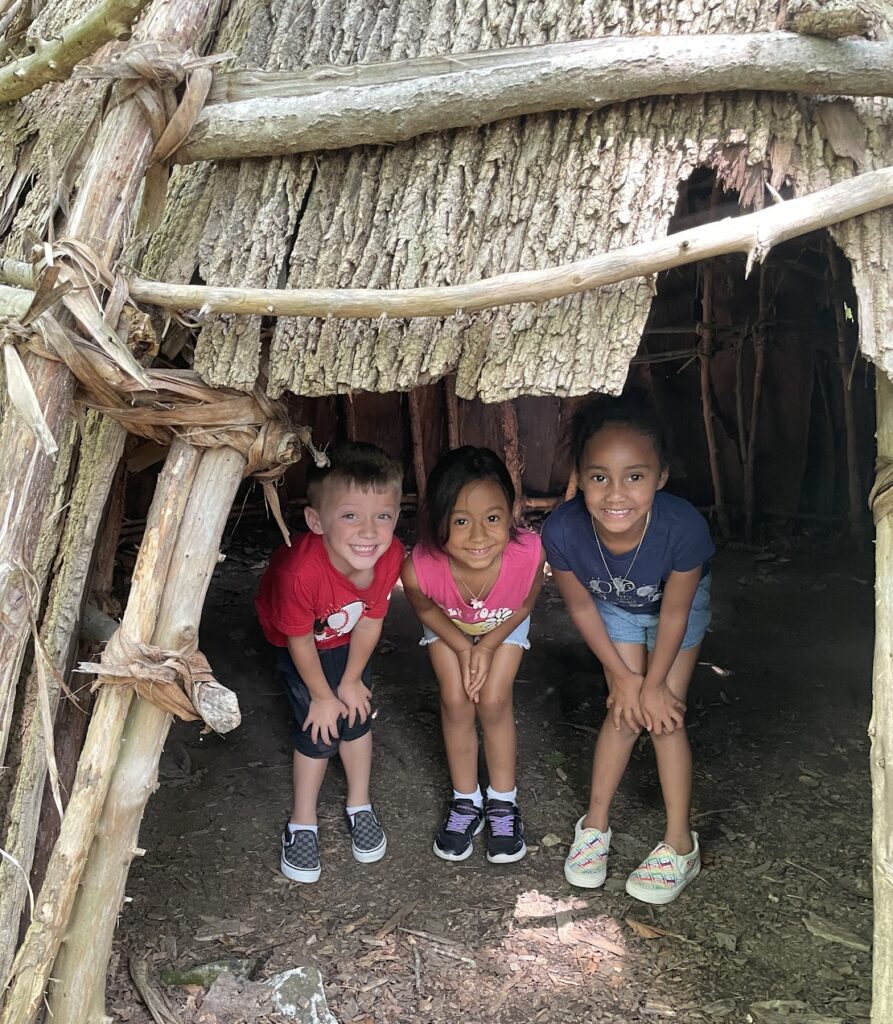
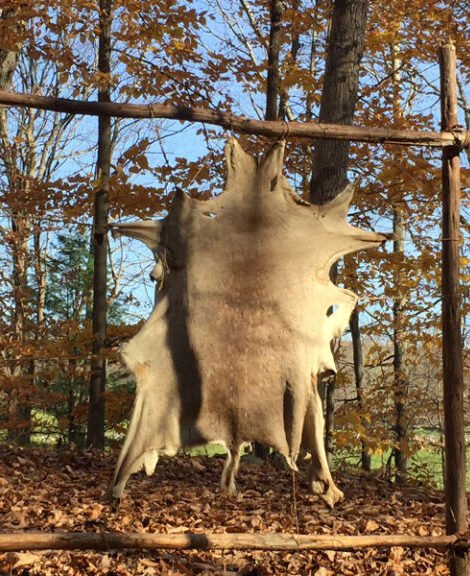
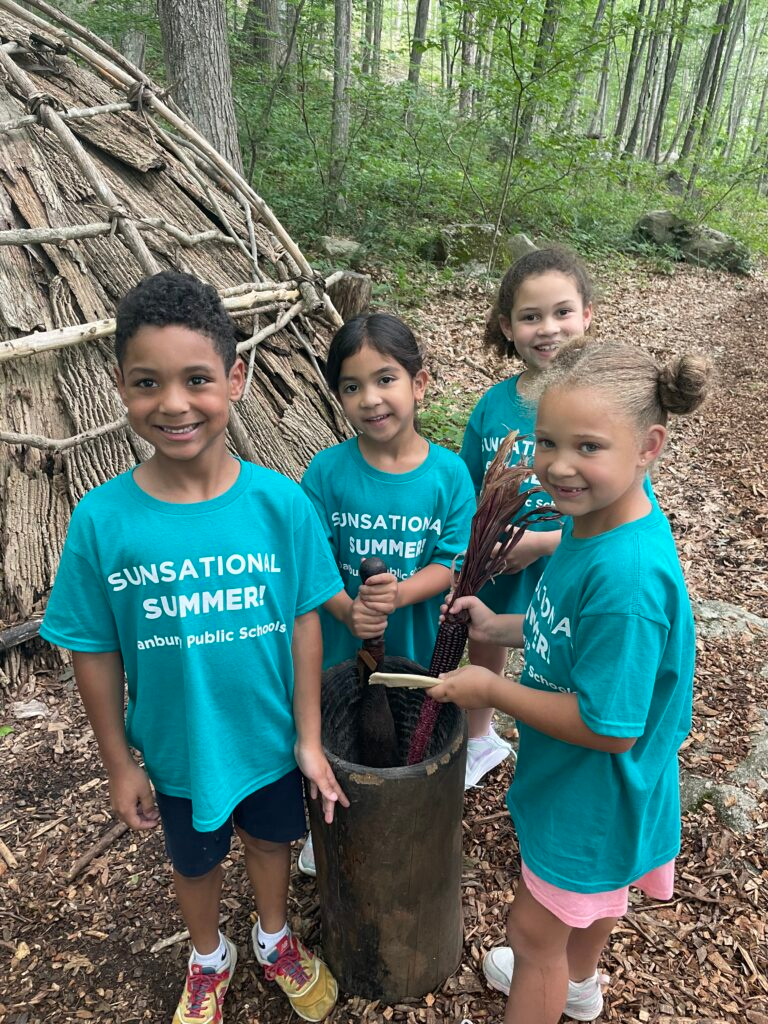
Nestled in the woodlands, on the eastern side of a rocky slope, you will discover our authentically recreated Eastern Woodland Indian encampment. Our thatched longhouse barked wigwam, smoking rack, stretching rack, and fire pit set the stage for our popular hands-on Native American programs. Through the years, archeologists have led excavations on the property, which have unearthed arrowheads, spearpoints, and pottery shards–all intriguing evidence that Woodland Indians once traversed our land.
BARNS
FREE-STALL BARN
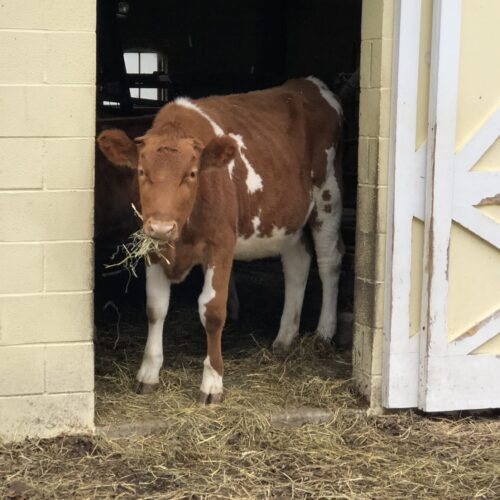
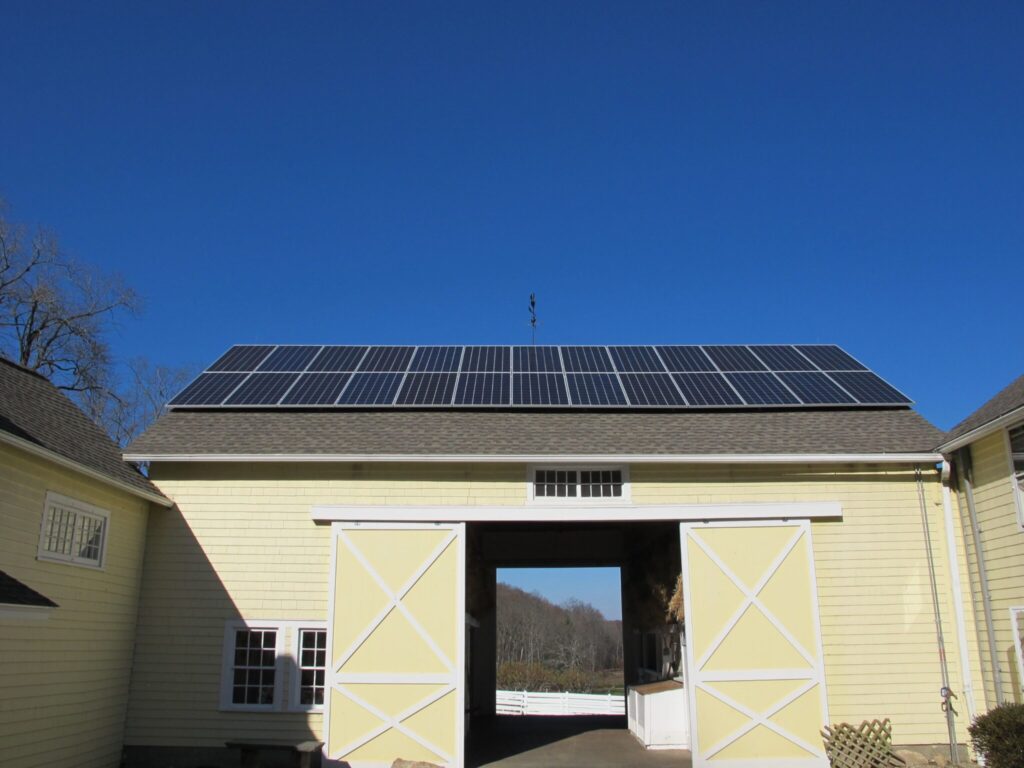
Our 14 cows spend much of their time here when not grazing or enjoying the barnyard. A large cattle fan keeps them cool in the summer, while solar panels on this barn and the Dairy Barn help power the barns, Dairy, and Dairy Annex.
DAIRY BARN
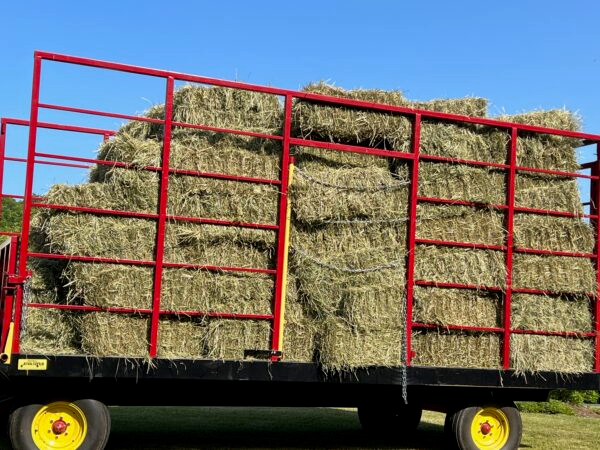
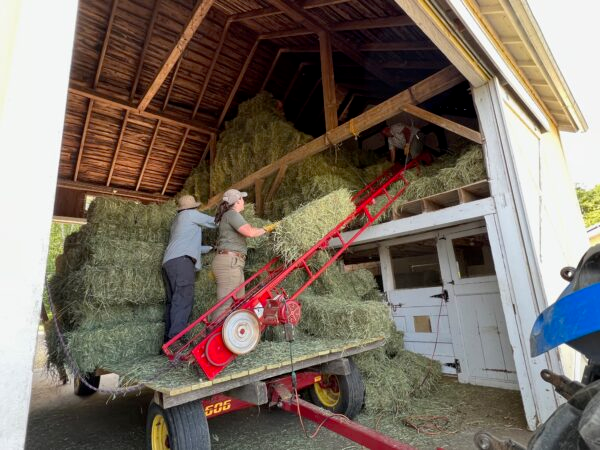
Our early 20th-century Dairy Barn is a centerpiece of farm life. Two milking stalls with wooden stanchions gently hold our cows during milking, while adjacent stalls are used for calves, lambs, and piglets. The barn’s large mows store over 3,000 bales of fragrant, nutritious hay each year, sourced from our pastures and generous neighbors, feeding our herd of cows and flock of sheep. The barn is a highlight of our farm programs, where visitors can enjoy hands-on learning about cows and their role in daily life.
CHICKEN COOP
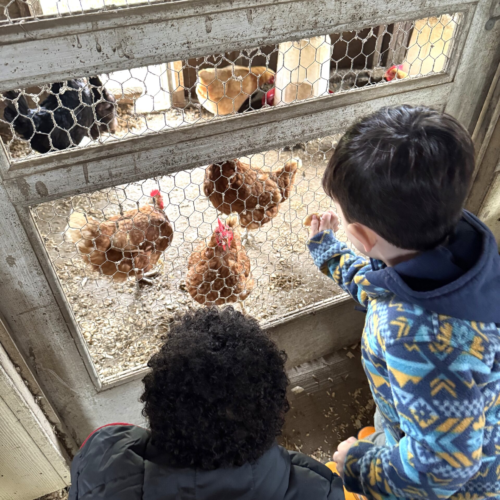
Built in 2011, our spacious Chicken Coop houses laying hens, spring chicks, and provides a central aisle for visitors to explore. Pop-out doors give the flock access to rotational outdoor “chicken yards,” where they scratch, forage, and take dust baths. Our Red Star hens provide fresh eggs daily and allow visitors a close-up look at feathers, beaks, feet, and other adaptations, highlighting the important role of chickens on the farm.
We follow guidelines from the Connecticut Department of Agriculture for managing bird flu, which can change as determined by the state. Periodically throughout the year, the coop may be closed to ensure the health and safety of our animals and visitors.
PASTURES
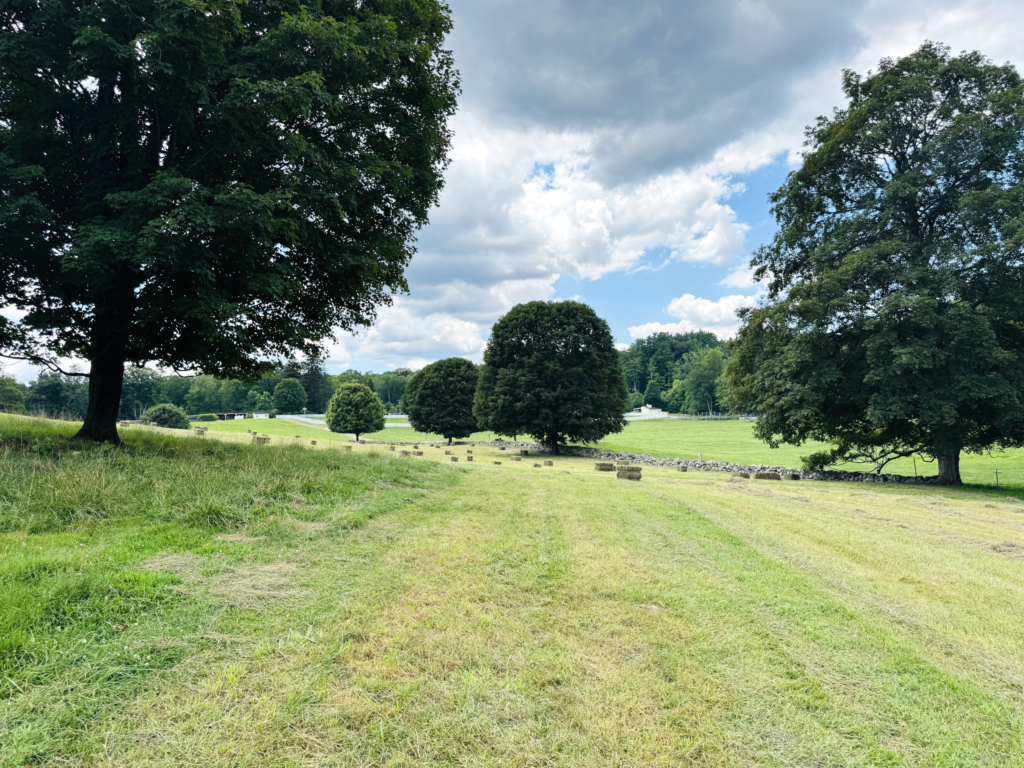
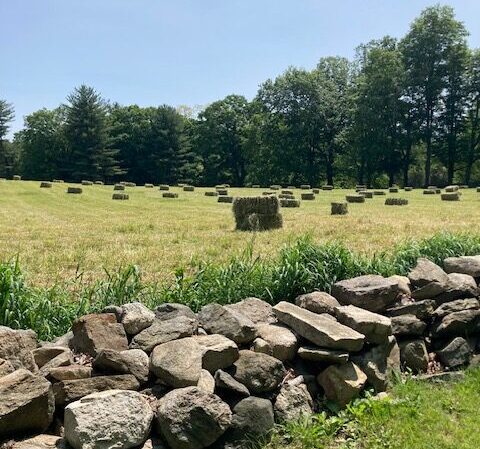
Our 102-acre property includes 25 acres of rolling pastures. During the growing season, these pastures provide rotational grazing for our dairy cows and flock of sheep, and they supply much of the hay we store in our barns for winter feeding. Thanks to the generosity of our neighbors, we are able to harvest additional hay from surrounding fields, giving our animals on average 3,000 bales of nutritious, local feed each year.
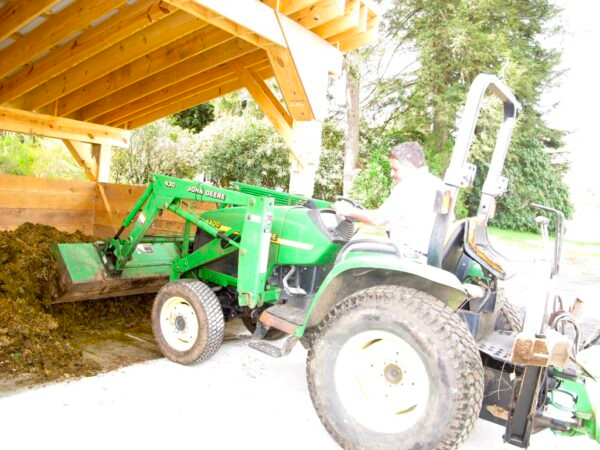
Our free-stall barn and cement slab are cleaned daily, and the manure, shavings, and leftover hay are brought to the three-bay composting shed behind the farmhouse. Once composted, these materials are spread across the pastures as fertilizer, supporting the growth of the next season’s hay and completing this vital farm cycle.